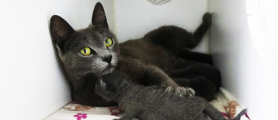
Think twice before gifting an animal for the holidays
1 month ago | 5133 views | 0 0 comments | 0 0 recommendations | email to a friend | print
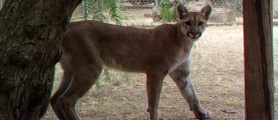
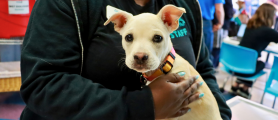
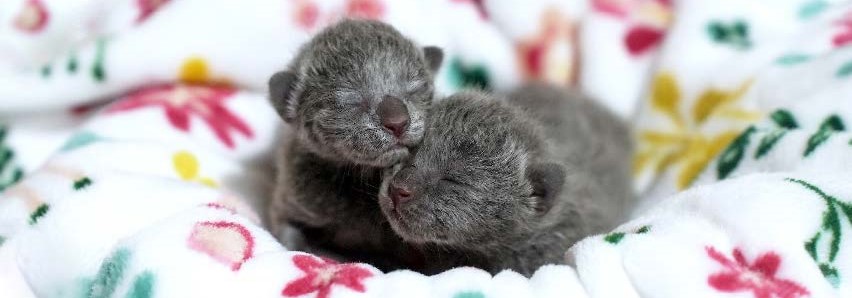
As we enter the holiday season, feelings of joy and goodwill often prompt us to want to give heartwarming gifts like cute, cuddly and innocent pets. However, live animals are not appropriate gifts. They require love and commitment during their entire lifespan. It may seem like a good idea, but before giving a pet as a gift, please consider that there may be negative consequences.

After the nostalgia wears off in a few weeks, when the person realizes how much time, attention and money an animal requires, they may end up resenting you. Time and expenses are usually not considered by the gift giver or the recipient, and, as a result, these animals are often abandoned, neglected or end up in shelters when the holidays are over. This is why it is especially important for parents to think twice before gifting a pet to children. Pets require adult care and commitment. Do not get your child a pet unless you are ready to take on the commitment.

If you still have the desire to gift a pet, why not wrap a stuffed animal in a box with a message? Your friend or loved one can then decide whether they want the living version of their present. For a child, you might consider including books about the proper care and feeding of a new family pet. It would be wise to have many pointed discussions with your child about the new responsibilities they will assume once a new pet joins the family. Then, make the choice of a new pet a family event with the strengthened commitment to provide the love and attention your living creature will need­. By following these guidelines, you will help stem the growing tide of abandoned and neglected animals after the holidays.


Article and photos by Karen Hamlet,
www.karenhamlet.com


Comments
(0)
Comments-icon Post a Comment
No Comments Yet
Senior Animals Create a Life Changing Bond
1 month ago | 251 views | 0 0 comments | 0 0 recommendations | email to a friend | print
Ranger and Sheba
Ranger and Sheba
slideshow
After losing her owner and canine companion in the same week, 10-year old Sheba, a husky mix, was relinquished to the San Diego Humane Society and SPCA. These combined losses of close companions caused Sheba to become extremely depressed and thus uninterested in leaving her habitat or interacting with people.

In an effort to cheer her up, Sheba was introduced to another senior, Ranger, a 12-year old shepherd mix. That was the first time Sheba stood up and wagged her tail. She made great progress with Ranger’s support and it quickly became clear that the two could not be separated!

They found love in each other and now all these sweet seniors needed was a family to love and cherish both of them. Their dreams came true during November’s “Adopt a Senior Pet” adoption campaign. A lovely couple saw Sheba and Ranger on KUSI so they paid a visit to the San Diego Humane Society that very day. It only took moments to fall in love with the bonded pair, so the couple happily adopted them. Now Sheba and Ranger have a caring home with lots of space to play, take long naps and receive plenty of love for their golden years!

See this month's adoptable pets.

About the San Diego Humane Society & SPCA

Serving San Diego County since 1880, the San Diego Humane Society and SPCA’s scope of social responsibility goes beyond adopting animals. The Humane Society offers San Diegans a wide range of programs and services that strengthen the human-animal bond, prevent cruelty/neglect, provide medical care and educate the community on the humane treatment of animals.

As one of San Diego’s oldest nonprofit organizations, the Humane Society has campuses in both San Diego and Oceanside and is supported solely through contributions, grants, bequests, investments, proceeds from the Muttique retail store, and small fees for services. For more information or to see current animals available for adoption, please visit www.sdhumane.org.
Comments
(0)
Comments-icon Post a Comment
No Comments Yet
A Home for the Holidays
by JUDITH PIERCE | San Diego Pets
1 month ago | 146 views | 0 0 comments | 0 0 recommendations | email to a friend | print
If you’ve ever considered a rabbit for your family, consider opening your heart and your home to a rabbit who’s been rescued from a past life of neglect.

Rescued dogs and cats are well known as “rescue pets,” but domestic rabbits are the third most relinquished animal to shelters and humane societies. In San Diego, nearly every shelter in the county has a rabbit adoption program. Rabbits come to them from owners giving them up, found stray on the streets, or from confiscation due to lack of care. In our area alone, there are well over 300 rabbits looking for new homes on any given day.

San Diego House Rabbit Society, our local rabbit rescue organization is promoting a “Home for the Holidays” program throughout the month of December. Adoption fees have been greatly reduced to $40 for a single rabbit, and $60 for a bonded pair. Adopters must be 21 years of age or older, and complete an adoption application and screening. The Society adopts only to homes where the rabbits are kept as indoor family companions.

Adoption is a great option for rabbit companions as one of the first things they need is to be spayed or neutered. Altering your pet rabbit makes him or her a much better companion, enabling litter box training, reducing hormonal tendencies such as digging, chewing, and spraying urine, and calms their personality. Altering your rabbit also prevents reproductive cancers, which is a great concern in rabbits over the age of three years old. However, this is a costly procedure, running an average of $300 or more in San Diego County.

By adopting from a shelter or rescue organization, your rabbit companion will already have been spayed or neutered, litter box trained, be put on a healthy diet, and been checked out by a veterinarian that specializes in rabbit care. With local adoption fees running from $20 to $50, you’ve achieved a significant savings, while getting a family-ready pet.

Rabbits make great family companions for the right people. They flourish in a home where they can be their “rabbity” selves. When provided with a roomy living area, plenty of out-of-cage (or pen) play time of three to four hours a day, they can run and play and show off their normal rabbit behaviors. Rabbits also thrive on routine. They are much like small children who need to know what to expect and what is expected of them, in order to live an orderly life.

When adopting from a rescue or shelter, great care is taken to match the right rabbit with the right adopter. You can learn more about which might be the best match for you, by visiting rabbit information sites such as www.rabbit.org or www.sandiegorabbits.org. There, you’ll find advice on proper housing, diet, normal rabbit behaviors, and see rabbits available for adoption.

After learning about rabbits and their care, we hope you’ll consider offering a “Home for the Holidays” to a needy rabbit who just needs a loving family to call their own.


Comments
(0)
Comments-icon Post a Comment
No Comments Yet
EXPLORE THE SMALLER SIDE OF COMPANION PETS
by JUDITH PIERCE | San Diego Pets
1 month ago | 186 views | 0 0 comments | 0 0 recommendations | email to a friend | print
If you’ve been wanting a companion pet but don’t feel you have the room for a cat or dog, or your housing complex does not allow them, consider a smaller pet to keep you company. Smaller pets can be mice, gerbils, hamsters, rats, guinea pigs, chinchillas, or rabbits. Many smaller pets make great companions. Rats love attention; hamsters are great for people who tend to be “night owls,” and guinea pigs sing lovely songs consisting of chirps, rumbles, and chattering; they are a delight to listen to. Rabbits can learn tricks and train their humans, and chinchillas are hysterical to watch, as they fly through the room, jumping from the tops of cages to furniture.

The first step in adopting a smaller pet is to learn about its care, in advance of bringing one home. There are many websites that can give you great advice: For rats, try www.ratclub.org an excellent site from New Zealand. Guinea pig advice can be found at www.guinealynx.info. For mice, try http://tinyurl.com/7bu29lx.

Care guides for each of these species can be found at http://www.weecompanions.com/resources.htm.

Guinea pigs make great pets for families with children, with parents as the chief caregivers. Guinea pigs are also known as cavies. They can live up to nine years, with five to seven years being the average. As with any pet, you must be prepared to keep and care for your guinea pig throughout its entire lifetime. The fun aspect of guineas is watching them putter about, making little nests in their bedding, and singing their sweet little guinea songs.

Guinea pigs are strict vegetarians and eat fresh vegetables, hay and fortified pelleted foods. Pigs are adopted or housed in same-sex pairs, as spaying or neutering surgeries are too risky. Breeding guinea pigs is not recommended, as it’s very risky for the mothers. The gestation period is about 70 days and pigs can give birth to one to four babies. The mortality rate for pregnant guineas is about 20% with one in five dying during the birthing process.

Hamsters have long been thought as good pets for kids, but that’s rarely the case. Nocturnal animals, hamsters sleep throughout the day and are active at night; just the opposite of your children. Hamsters are very delicate animals, therefore not a good choice for children who may have trouble holding them securely. For individuals whose schedules include late evenings, these tiny animals can provide hours of entertainment. The Humane Society of the U.S. provides a great video on their care at http://tinyurl.com/7zbs6ll. Be sure to provide them with the right housing, and many play things to keep them occupied and well exercised.

Rats can be controversial as pets, with many parents cringing at the thought. But they are great for kids because they love attention! Rats want to hang out with their humans and be held, a lot. This is perfect for children who really want that hands-on interaction with their pet. Rats live an average of two to three years, with the rare exception living up to five. They are very social and should be adopted in same-sex pairs so they will have a friend. They need your attention too; rats should get out-of-cage time of at least one to two hours per day. Rats are inexpensive to adopt, but their medical care can be pricey. They have a tendency toward growing tumors; regular vet checkups are a must.

Rabbits are a popular family companion and come in many breeds, colors and sizes. They run from a tiny 2½ pounds, up to 16 pounds or more. They are often sold and advertised as “dwarf breeds” by pet stores, only to grow to six or seven pounds. Their average lifespan is 8 to 12 years. Rabbits are extremely social and enjoy the companion ship of their own species and interaction with humans. They have very individual personalities so it’s very important to adopt a rabbit whose personality is a good match for you. Learn about rabbit care and behavior at www.rabbit.org.

Smaller animals are available for adoption through local shelters and rescue groups, including www.weecompanions.org. Information on the care, housing, and adoption of these precious little creatures is on their website.


Comments
(0)
Comments-icon Post a Comment
No Comments Yet
The cat’s meow
by KR JOHNSON | San Diego Pets
1 month ago | 206 views | 0 0 comments | 0 0 recommendations | email to a friend | print
Hi everyone—this is Coco, KR’s cat. I finally got control of the keyboard, having distracted KR enough that she’s forgotten to turn off the computer before she went to bed (mwa-ha-haaa)! This last column of 2011 contains valuable information for cats only. I, Queen of All Catdom, offer my top tips for training your humans for the new year.

­The Insistent Meow. Humans are verbal. Even though we cats prefer nonverbal communication, we must lower ourselves to meow at them so they will know when it’s time to feed us, pet us, let us into the backyard, play with us and provide the other attentions we require in exchange for our magnificent presence in their lives. Be sure to use different tones for each behavior so they can tell by the sound what it is you want from them. Bonus: You are teaching them the art of real listening.

The Armpit Snuggle. If your human ignores your noises, then more aggressive tactics are needed. For this to work, get your motor running on high (humans find the sound of purring soothing, so it helps to get their attention) and simply dig your nose into the armpit and nuzzle hard. The colder and wetter your nose, the better. Repeat as needed. It will certainly gain your human’s attention and has a 94 percent return rate on a massage.

The Artful Poke. When verbal communication isn’t effective, I find it useful to unsheathe one claw (only one; we want to be noticed, not to carve our person like a turkey). Ever so gently, hook it into the shirt your person is wearing. My person, KR, will always tune into me and give me her full attention when I use this technique. It works because, no matter how many times she asks me not to poke her, I just purr louder, poke again and enjoy the resulting pets and scritches under my chin.

The Surprise Attack. If your human is watching a movie, this technique is quite effective in getting them down on the floor to play. First, stealthily remove yourself from the room. I especially recommend going upstairs, if you have an upstairs. Then, launch your attack. Tail straight up and frizzed, race through the house, attacking your toys, scratching posts, any papers lying around, feet and then racing around from room to room. Fly upstairs and back downstairs, jump up behind your human on the couch and produce a long, drawn-out mmmrrrroowwwww! KR always laughs and gets down on the floor to play with me after these sessions, but if you happen to have a human with a less developed sense of humor, use this with caution. We want to educate them, not send them into an early grave.

The Foot Weave. (Caution: This must be used only by cats agile enough to spring out of the way. Do not attempt if your springiness is on the fritz.) When your person exercises, you have the purrfect opportunity for you to distract them and reassure yourself of your total dominance in the home. Place yourself on the floor right in the path of their moving feet. This forces them to move around you. Keep staring up at your person with the most pathetically lonely face you can muster. Every once in a while, utter a “mah” or a “mroo” just to tug at their heartstrings and make them pause the DVD player to pet you. For those of you with advanced skills, try this: As soon as the DVD player is paused and your person is reaching for you, run away. See how many times in one session you can get your person to turn off the DVD player. Send me an email on how you did, and the winner will get a free bag of organic catnip!

Those are my best tips. Use them wisely, and you will soon have the humans in your household in tiptop shape for serving your every whim.

KR Johnson is the author of the laugh-out-loud book, The Eleventh Sense, available on amazon.com—San Diego Pets readers can request an autographed copy by going to KR’s site at TheEleventhSense.com and sending her an email.

Comments
(0)
Comments-icon Post a Comment
No Comments Yet
Zen and the Art of Tail-wagging
by MARK CARLSON | SAN DIEGO PETS
1 month ago | 111 views | 0 0 comments | 0 0 recommendations | email to a friend | print
Some people wear their heart on their sleeve. Dogs wear theirs on their butt. A dog’s tail is a flag, an indicator of the dog’s mood and intention.

When they’re scared or guilty it’s tucked between their legs; if they’re sad, it droops. Excited dog tails twitch and happy dogs wag theirs.

I don’t know what the tail of an aggressive dog does. I’m too busy avoiding the teeth.

If people had tails, there would be fewer bar fights, domestic violence and war.

My dog Musket is a Yellow Labrador, a breed known for being friendly he is also a Guide Dog.

Musket has a certain something which sets him apart from the rest of the pack. With very beautiful expressive eyes and that Labrador smile he is very popular.

But on the other hand, or should I say ‘end’ is his tail. He has a heavy tail and could batter down condemned buildings with it. But Musket has no idea what his butt is doing.

Musket’s tail broadcasts his emotions; happy, sad, guilty, nervous, excited or sick.

When he sees a friend or family member his tail wags so hard it creates a breeze. I might tie a fan on it for hot days. His all-time love, the holder of his heart is my wife Jane.

Musket snores like a longshoreman sleeping off a hangover in Singapore, but when Jane comes in his tail knows it before he does.

Just the end. Twitch, twitch.

“Where’s my Musket?” Jane asks.

His tail goes active, rapidly patting the floor. Whapwhapwhap.

“There’s my Musket!”

Then the pile driver. Wham! Wham! Wham!

Then he wakes, slobbering her with loving kisses.

He’s furry Prozac without the side effects.

My co-workers adore him. His tail against the metal of my filing cabinet sounds like Rosie the Riveter making a B-17.

Nothing a ball-peen hammer and some Bondo won’t fix. When Jane comes by the office to visit, Musket knows it right away.

ZOOM! He’s like a Tomcat on a carrier catapult, propelled by his madly thrashing tail.

I don’t try to stop him.

I’m blind, not insane. I like my arm right where it is.

Musket’s tail makes me laugh. And he likes it when I am happy. It’s a perfect circle of cause and effect, harmonious and unbroken. Sort of Zen-like. Paws be with you.


Mark Carlson, 51 lives in San Diego with his wife Jane and his Guide dog Musket. A docent at the San Diego Air & Space Museum and aviation historian, Mark writes for several national aviation magazines. He is a featured speaker for many local adult education programs. His first book, ‘Confessions of a Guide Dog – The Blonde Leading the Blind’ is a humorous memoir about the adventures of life with Musket. It is available in through Amazon.com, Barnesandnoble.com and iUniverse.com. You can reach Mark and Musket through www.musketmania.com.


 Available in through Amazon.com, Barnesandnoble.com and iUniverse.com.
Comments
(0)
Comments-icon Post a Comment
No Comments Yet
Pet Resources
1 month ago | 187 views | 0 0 comments | 1 1 recommendations | email to a friend | print
EMERGENCY VETERINARY CARE ASSISTANCE
AAHA Helping Pets Fund
www.aahahelpingpets.org
helpingpets@aahanet.org
(866) 443-5738
Provides financial assistance to AAHA accredited veterinary practices for emergency and non-elective care of pets.


Face Foundation
www.face4pets.org
(858) 450-3223
admin@face4pets.org
Financial assistance for critical and emergency veterinary care for life threatening conditions.

Labrador Harbor
info@labradorharbor.org
www.labradorharbor.org
Financial aid for private citizens and non-profit rescue organizations to help fund veterinary care, behavior intervention and other health related needs of Labrador Retrievers.

Red Rover Relief
www.redrover.org
info@redrover.org
(916) 429-2457
Financial assistance for good samaritans, veterinarians and pet owners for animals in need of urgent veterinary care. An online application form is available on their website.

The Pet Fund
www.thepetfund.com
info@thepetfund.com
Financial assistance to owners of domestic animals who need veterinary care. If emailing put “The Pet Fund” in the subject heading of the email.

VACCINATIONS and GENERAL VETERINARY CARE
San Diego County Animal Services
www.sddac.org
(619) 767-2675

Pet Network
www.petnetwork.us
office@petnetwork.us
(760) 744-5300
Clinics provide low cost vaccinations, blood tests, de-wormers, microchipping.

St. Vincent de Paul Village
1501 Imperial Avenue
The third Sunday of each month veterinarian care is provided on a first come, first serve basis beginning at 11a.m. Space is limited to the first 15 people who sign up.

Project K.E.P.P.T - Keeping People and Pets Together
San Diego Humane Society and SPCA, North Campus, 572 Airport Rd., Oceanside
www.sdhumane.org
(760) 757-4357 ext. 2237
A vaccination clinic and animal food bank is provided for Oceanside and Vista residents only the first Sunday of each month from 1-3 p.m. This program’s daily services include behavior and training advice and referrals for pet friendly housing and available veterinary financial aid programs.

Vetco Clinics
info@vetcoclinics.com
1-877-838-7468
Low cost vaccinations provided at Petco stores throughout San Diego County.

SERVICES FOR PETS OF THE HOMELESS
Get Ready! Get Pet! Go!
www.getreadygetpetgo.com
getreadygetpetgo@gmail.com
Provides pet food for the homeless in the downtown area approximately twice per month and has other resource information for homeless people and pets.

Pets of the Homeless
www.petsofthehomeless.org
National resource listing of services for homeless people with companion animals.

SPAYING AND NEUTERING
SNAP - Spay Neuter Action Project
www.snap-sandiego.org
(619) 525-3047
Provides low cost spay and neuter services for those that qualify. Information and referral to veterinarians who provide reduced spay and neuterr fees for those that don’t meet SNAP’s income guidelines.

House Rabbit Society
www.sandiegorabbits.org
hrs@sandiegorabbit.org
(858) 356-4286
Rabbit spay and neuter rebate program and referrals to veterinarians experienced with rabbits.

Pet Assistance Foundation
www.orgsites.com/ca/pet-assistance
(619) 544-1222
Referrals to low cost spay and neuter clinics and veterinarians.


Comments
(0)
Comments-icon Post a Comment
No Comments Yet
Arden Moore wants you and your pet to laugh, love and learn
by MARTIN JONES WESTLIN | San Diego Pets
2 months ago | 3834 views | 0 0 comments | 16 16 recommendations | email to a friend | print
Arden with Chipper, Cleo, Zeki and Murphy.
slideshow
Arden, Chipper and Cleo
slideshow
Arden Moore, known as America s Pet Edu-tainer, happily wears many "collars" in the pet world: radio show host, magazine editor, pet first aid certified instructor, author, behaviorist and media consultant. As founder of Four Legged Life, she travels all over North America to help millions better understand why cats and dogs do what they do. Her "Oh Behave" show on Pet Life Radio is a 3-time finalist in the International Podcast Awards and draws more than 750,000-plus listeners each month.
Arden Moore, known as America's Pet Edu-tainer, happily wears many "collars" in the pet world: radio show host, magazine editor, pet first aid certified instructor, author, behaviorist and media consultant. As founder of Four Legged Life, she travels all over North America to help millions better understand why cats and dogs do what they do. Her "Oh Behave" show on Pet Life Radio is a 3-time finalist in the International Podcast Awards and draws more than 750,000-plus listeners each month.
slideshow
“People with pets feel better when they know that their pet’s groomer, dog walker, trainer or other pet professional has been trained in first aid and knows what to do in a pet emergency when minutes count,” said Moore. “I am making it my mission to train pet professionals in San Diego County to make this a safer place for our pets.” 

Pet Tech Certified instructor Arden Moore relies on her creative, hands-on teaching style and pet behavioral knowledge in her classes that cover pet first aid, CPR, safety and wellness. For starters, she often solicits the aid of her dog Chipper and cat Zeki who patiently permit students to practice some of their new-found skills on them. And, she can customize classes to meet the specific needs of her students, offering classes tailored for pet sitters, groomers, dog trainers, boarding facility staff, shelter volunteers and breed-specific groups. And, yes, she has delivered first aid and wellness classes catering strictly to the needs of cats. For details, visit her just-launched site: <a href="http://petfirstaid4u.com/">www.PetsFirstAid4U.</a>
“People with pets feel better when they know that their pet’s groomer, dog walker, trainer or other pet professional has been trained in first aid and knows what to do in a pet emergency when minutes count,” said Moore. “I am making it my mission to train pet professionals in San Diego County to make this a safer place for our pets.” Pet Tech Certified instructor Arden Moore relies on her creative, hands-on teaching style and pet behavioral knowledge in her classes that cover pet first aid, CPR, safety and wellness. For starters, she often solicits the aid of her dog Chipper and cat Zeki who patiently permit students to practice some of their new-found skills on them. And, she can customize classes to meet the specific needs of her students, offering classes tailored for pet sitters, groomers, dog trainers, boarding facility staff, shelter volunteers and breed-specific groups. And, yes, she has delivered first aid and wellness classes catering strictly to the needs of cats. For details, visit her just-launched site: www.PetsFirstAid4U.
slideshow
Famed comedian and character actor Tim Conway, formerly of television's The Carol Burnett Show, six-time Emmy Award winner and beloved by three generations of fans, is also a dog owner—and amid his background, he's got a unique way with animal stories. Pet expert Arden Moore recently launched into one of 'em on her international radio show when she breezily asked the entertainer the name of his pooch.

“I don't know,” Conway said. “I've never talked to him. He doesn't say a word. We keep saying 'What is your name,' and he just looks at us.”

When Moore reminded Conway that most dogs think their name is No, her guest had a ready reply. “We've never said 'no' to him,” he deadpanned, “because he has his own teeth.”

Turns out the dog's name is Leo, a bichon frise and, according to Conway, the cutest thing on four legs. It's true that bichons are absolutely adorable animals—but in seriousness, Moore is on to something when she jokes about the No part. The command is legendary in the dog owner's glossary of terms, and too often, she said, it's thrown around without a lot of thought to its effect on its target.

Enter Moore,a tireless advocate for pets, pet owners and the very special bond between both.

“Oh Behave,” the Oceanside resident's weekly radio show (carried by PetLife-Radio, the world’s leading pet podcast network) is only one entry in a litany of efforts in this behalf—she's written more than 20 books on pet behavior; is a frequent guest on the likes of Today, CNN, Fox News Channel and Martha Stewart Living; travels the continent helping millions understand their pets; edits several pet-centric publications; and is a certified pet first aid, CPR and safety instructor with Pet Tech, the international firm based in Carlsbad.

Pet Tech holds instructor training classes in first aid, dental care, caring for the older animal and techniques to apply before seeking emergency vet care. Moore instructs throughout the West Coast, but focuses her teaching in San Diego County and Coachella Valley. Pet Tech even offers an app that contains your pet's health information. For more on Pet Tech, go to pettech.net.

Moore shares her home with her “furry fab four” plus one—two dogs, two cats and, according to her website, “an overworked vacuum cleaner.” And just as her joy lay deep in the animal kingdom, she understands our profound responsibility to and within it. To Conway, Leo's a super dog and a loyal companion. To Moore, he's a fellow traveler, an indispensable link in her quest “to help people laugh, love and learn about their pets” and to help the pet do the same with you.

“Zeki,” Moore said of her Turkish Van mix cat, “should be the angriest animal on the planet and shouldn't like anybody” amid a life of abuse (which included a brutal knife attack). “But here she is, going up to people, so good with other cats and dogs. She's a totally spunky personality. She goes out in public with me, and she just wants to love you and get to know you and who you are.” There's an invaluable lesson for humans in there, Moore said, about second chances and self-empowerment, as was evident at SuperZoo, a major pet trade show in Las Vegas. Zeki, of course, was the hit of the day, even scoring an autographed baseball by Hall of Fame pitcher Orel Hershiser and tolerating a butt sniff from Tillman, the famous skateboard-riding Bulldog.

Most recently, Zeki and Moore were seen at last month's San Diego Pet Expo, with Zeki acting as a visual accompaniment in a first aid demonstration—without so much as a hiss or a nasty glare, Zeki let Moore apply a head hood that works as a safety muzzle.

The rest of the family includes Chipper, Moore's golden retriever-Husky mix named for Moore's love of golf; Cleo, a miniature breed of poodle and Basset hound and an avid surfer (Moore and Chipper are members of SoCal Surf Dogs, a group of dog owners who hang ten with their pets aboard); and Murphy, a molly cat that likes to cackle at birds. All are females, and all have escaped the mean streets in one way or another, thanks to Moore, whose early life in her hometown of Crown Point, Ind. included teaching her cat Corky to swim but certainly carried no hint of a career involving animals.

An education at Purdue University and newspaper gigs in Indiana and Florida would keep her out of the typical office environment for more than 20 years; one stint as an investigative reporter found her working a few desks away from John Grogan, author of the debut bestseller Marley & Me: Life and Love with the World's Worst Dog. Grogan wrote the foreword in Moore’s best-selling book, The Dog Behavior Answer Book. An excerpt reads: “Had I followed Arden’s wise advice in this book, Marley might have been so good I never would have been tempted to write a book about him.”

Moore moved to California in 1999. A reporter's insight and a spirit's soul took over, opening the path to the pet field and the animal's unrivaled place in human affairs.

“When I was growing up,” Moore explained, “I always had animals. But I didn't realize I had a connection with them until I was older. I saw the need to tell everyone what pets can bring us. They teach us to live in the moment and to be up front with people around us.

“Animals don't have to speak in English or Spanish or Swahili. They speak in their own languages and are probably better multi-linguists than we two-leggers. All our dogs and cats and companion animals have to adapt to the one that's the benevolent leader. In order to get their meals and playtime, they have to amend some of their ways to fit into the people world. If I can help people understand their motivations, the people are happy, and the pets get to stay in the home.”

Moore, a member of the International Association of Animal Behavioral Consultants, must complete a certain level of continuing education to maintain her membership. Meanwhile, she said, she feels most comfortable resolving “mild to moderate” issues of pet behavior “interwoven with a medical condition. Between the pet owner and the vet, maybe care can be done a little faster and less expensively.”

Moore tells of a caller in New Hampshire who was at her wits' end—her cat was refusing to use its litter box, fueling the owner's thoughts about giving him away amid a lifelong relationship. Turns out it was simply becoming too difficult for this feline (then 12) to navigate downstairs to the box. A box at each level of the house (and treatment for a urinary tract infection) did the trick, and what could have been a tragic parting morphed into a resurgent relationship.

“Sometimes,” Moore said, “people will call you and say, 'If you don't help me, I'm going to have to put this animal down.' That’s hard. I can hear their frustration. I do my best to offer some solutions or refer them to professionals in their area”.

“Our companion animals read our energies. They're looking for a lot of clues, because they don't speak English, but they communicate very consistently and very candidly. They don't care if you're Bill Gates or Joe Schmoe. All they want to know is if you're gonna love them. They don't care about anything but you.”

Locally, their questions are answered and then some.

“People love their pets here in San Diego,” Moore said. “They like doing things for their pets and with their pets. Yappy hours, pet parades, dog surfing, cat shows, the [San Diego County] Humane Society, [the Helen] Woodward [Animal Center in Rancho Santa Fe], PETCO, great vets, two Oceanside clinics that in the past two years have quadrupled in size: There's a lot going on if you happen to be a pet owner. This isn't just a place where people have a pet and pet them on the head. I've been coast to coast, and this is pet heaven.”

Still, extremism rears itself every so often. “People mean well,” Moore explained, “but there are still those who handle their companions like trophies, like the Chihuahuas that don't get to walk a day in their lives because people pick them up. That's sad. I want to be the voice of moderation. I'm more about showing you every day how you can sneak in manners. Have your dog say 'please' [like with a sit] before you give a treat. They learn to earn.”

Meanwhile, Moore is the creator of silly pet songs, PawPoint presentations (her version of the PowerPoint show), “Paws up!,” her signature catch phrase, and she has become the expert of the three Ps—pee, poop and puke. On top of it all, she launched National Dog Party Day™ last June as a shout-out to everybody's best friend, complete with doggie disco, doggie games, doggie treats and celebrity bakers. She's behind it all as a celebration of the animal-human connection.

Pet owners go with the flow by the millions, with Moore listening intently for the one signal that heralds their understanding.

“If they're laughing,” she said, “they're learning.”

For much more on Moore's books, radio show, classes and other pet-centric activities, go to FourLeggedLife.com.


Check out these videos of Arden Moore too:


Below are some of the many guests Arden Moore has interviewed on "Oh Behave"

Dr. Marty Becker on Oh Behave on Pet Life RadioCesar Millan on Oh Behave on Pet Life RadioRachael Ray on Oh Behave on Pet Life RadioJenna Ushkowitz on Oh Behave on Pet Life RadioKristin Bauer on Oh Behave on Pet Life RadioLily Tomlin on Oh Behave on Pet Life RadioAmy Schumer on Oh Behave on Pet Life RadioHarland Williams on Oh Behave on Pet Life Radio


Comments
(0)
Comments-icon Post a Comment
No Comments Yet
Reducing Miss Amy
by NICOLE SOURS LARSON | San Diego Pets
2 months ago | 215 views | 0 0 comments | 2 2 recommendations | email to a friend | print
Amy displays her lush belly as she naps.
slideshow
Amy rests among some of her active toys.
slideshow
Alexander (left) and Amy share a meal at their feeding station in the kitchen.
slideshow
How do you put one cat on a diet when the second cat is lean? My husband and I discovered that Amy, our gray and white cat, had gained another pound and a half after we started mixing probiotics and plant enzymes into their meals to help Alexander, our gray tiger, keep his food down. Both cats are 8.

The enzymes radically reduced Alexander’s vomiting, but also stimulated Amy’s appetite. While the always-lean, 11-pound Alexander could now keep most of his food down, our once-muscular, athletic Amy, previously 13 ½ pounds, had ballooned to 15 and then 16 pounds. With so many health risks associated with feline obesity, including diabetes, we wanted to address this problem quickly.

After the 2007 pet food recalls, I changed their diet, switching to more nutritious, grain-free foods, without the substandard ingredients such as corn, animal by-products and animal digest that many pet food manufacturers use to increase profitability.

While many vets now consider kibble – dry food -- less healthful because of low moisture and poor nutrition, our cats so loved their crunchies that I hesitated to eliminate them. Instead I upgraded their quality and started limiting their quantity. With Amy’s weight gain, I began reconsidering feeding any crunchies.

Cats are obligate carnivores and need to eat animal proteins, not corn, vegetables, grain or rice. In selecting cat food, I learned how to read pet food labels and look for muscle meats as the first ingredients.

From examining “light” cat food labels, both canned and dry, I discovered that “regular” foods offered better nutrition, including more muscle meat, and were often less fattening than “light” foods containing more carbohydrates. One “weight management” dry food contained over 100 calories more per cup than a competing “regular” grain-free kibble.

How much should you feed your cats?

First, consult your veterinarian and then check out several Internet resources, including Dr. Lisa Pierson’s website Catinfo.org and Catnutrition.org. Pierson recommends feeding about 4-6 ounces of canned food per cat per day, divided into two or three meals, or about 150 to 250 calories per cat per day, depending on the cat’s size and metabolism. These sites provide formulas for figuring out how much food to provide, plus recipes for homemade diets.

Many cats, Pierson explains, lose weight naturally when switched from a kibble diet to canned or raw cat food. She advises limiting weight loss to a maximum of a half pound a month to avoid risking hepatic lipidosis, a potentially fatal fatty liver disease caused by rapid weight loss and failure to eat for over 24 hours.

On the advice of our veterinarian, Dr. Ann Middleton of Cheshire Cat Feline Health Center, we increased our cats’ canned food and cut their crunchy serving in half, then halved it again while moving to phase it out. Now Amy and Alexander are down to a quarter cup a day between them, in addition to one and a half to two 5 ½ ounce cans of wet food. Since both like to “graze,” my last resort will be feeding them in separate rooms.

To increase their activity level, we now stuff their crunchies into two SlimCat feeder balls, making them “hunt” for their food and offering the added benefit of slowing Alexander’s consumption to a more digestible rate.

In addition to reducing Amy’s calorie intake (while sneaking Alexander extra food and treats) we’re encouraging both cats to exercise more by playing with their favorite active toys, including the laser pointer, fishing pole and Cat Dancer.

Our Amy is in the early stages of her weight loss program. We know she’s up to the challenge, but can we resist her demands?


Online feline nutrition and obesity resources
www.catinfo.org (includes tips on transitioning cats from kibble diets)

www.catnutrition.org (diets for cats with digestive disorders and special needs)

www.felineoutreach.org/Education (multiple resources)

www.PetMD.com (general information on feline diets)

binkyspage.tripod.com/canfood.html (cat food nutritional information and calorie counts)


Comments
(0)
Comments-icon Post a Comment
No Comments Yet
Feline Diabetes
by ANN MIDDLETON, DVM GUEST COLUMN
2 months ago | 232 views | 0 0 comments | 0 0 recommendations | email to a friend | print
Feline Diabetes is one of the most common and treatable conditions seen in cats today. In the normally functioning cat, the pancreas produces a hormone called insulin. Insulin travels throughout the body and unlocks the cells (very basic building blocks of the body) to let glucose (sugar) inside so that it can be used for energy. Diabetes is a disease where there is too much sugar in the body. This is usually from not enough insulin. If there is not enough insulin, then sugar can’t get into the cell. The sugar stays in the blood stream and pulls water from the body to dilute it. The sugar and excess water is then processed by the kidneys causing an increase in urine being made, which makes the cat become a little dehydrated. The cat then ends up drinking more water because it gets thirstier. The cat may also act hungry because its body isn’t processing sugar for energy. Instead, the body will break down fat for energy and the cat loses weight.

Cats that become diabetic are typically overweight, middle-aged and male. Their bodies just can’t make enough insulin when they become obese. Often, owners notice their cat drinking more or producing more urine. Owners may also notice weight loss in face of a normal or increased appetite. The veterinarian will perform an examination and take a full history then recommend a comprehensive blood and urine test and look for high blood sugar and sugar in the urine.

Treatment for diabetes should include a diet change to encourage careful weight loss under a veterinarian’s supervision. Reducing the cat’s sugar intake by feeding it a very low carbohydrate diet can be helpful in most cases. Canned food is even lower in carbohydrates than dry food. Insulin is usually started at a low dose and carefully monitored. The owner will be taught how to give insulin shots and check the cat’s blood sugar at home. A glucometer, which measures blood sugar, should be used to monitor the blood sugar is keep it within a safe range. Many cats can be taken off of insulin after a few weeks to months of insulin on top of feeding a very low carbohydrate diet and weight loss.

If untreated, cats may develop diabetic ketoacidosis, which is where they burn so much fat for energy that their body becomes acidic and they also become dehydrated. This becomes life-threatening and requires fluid support, low doses of insulin frequently, and hospitalization. Another complication includes diabetic polyneuropathy, which means the nerves are affected by the high sugar and become weak. They don’t work properly and the muscles in the legs atrophy. The cats walk on their “ankles” (it affects the back legs more than the front.)

Hypoglycemia is a condition often related to diabetes. This can happen when the cat doesn’t need insulin any more or the cat is sick, not eating enough food and still gets a full dose of insulin. Sometimes the owner may accidentally give 2 doses of insulin, especially when two caretakers miscommunicate. Too much insulin causes the blood sugar to become very low. This is called hypoglycemia. This condition is an emergency as death can result shortly if not treated. The cat will act sluggish, disoriented, may lie down and have tremors. The owner should apply Karo Syrup to the gums and take the cat to the veterinarian right away for an exam and potentially intravenous glucose.

Many cats, when diagnosed and started on a low carbohydrate diet and insulin, will go into “diabetic remission” and not require insulin shots long term. Other cats might continue to require insulin shots. Cat owners need to understand when their cat is first diagnosed, the lab tests, insulin, syringes, diet, and glucometer may seem expensive. But after their cat has been “regulated”, then fewer blood tests are needed.

In summary, diabetes is a preventable, treatable, and potentially curable disease but requires the owner to be dedicated to care and be willing to learn how to treat a diabetic cat at home with insulin shots and blood sugar testing. Cats can still live long, happy lives with diabetes!


Dr. Ann Middleton is a veterinarian and owner of Clairemont’s Cheshire Cat Feline Health Center which is located at 4680 Clairemont Mesa Blvd. in Clairemont. For more info, visit www.cheshirecatclinic.com, or call 858-483-1573.


Comments
(0)
Comments-icon Post a Comment
No Comments Yet
Read more Pet Features

San Diego's Pet Press(See More Pet Press)
Second annual animal adoption event “My Furry Valentine”
The San Diego Humane Society and SPCA have reduced animal adoption fees to just $14 for special adoption campaign
11 days ago | 0 0 comments | 0 0 recommendations | email to a friend
full story
Celebrate ‘SEA Days’ this Winter at Birch Aquarium at Scripps
Scripps Institution of Oceanography/University of California, San Diego
16 days ago | 0 0 comments | 0 0 recommendations | email to a friend
full story
Helen Woodward Equine Hospital adds high-tech MRI to list of services
The Equine Hospital at Helen Woodward Animal Center today added high field Magnetic Resonance Imaging or MRI to its lineup of state-of-the art services available to Southern California’s equine com...
16 days ago | 0 0 comments | 0 0 recommendations | email to a friend
full story
Wiener Nationals Championship Race
Seven wiener dog finalists from different markets in the U.S. competed at the 15th annual Wiener Nationals Championship Race in San Diego on Wednesday, Dec. 28. If you would like more information o...
16 days ago | 0 0 comments | 0 0 recommendations | email to a friend
full story
At&t donates $5,000 to Paws'itive Teams at Gaslamp Pet Parade
AT&T San Diego, a major sponsor of this year's 4th annual Gaslamp Holiday Pet Parade that was held in Gaslamp December 11, arranged for Santa Claus to stop by its booth and listen to pets and pet o...
16 days ago | 0 0 comments | 0 0 recommendations | email to a friend
full story
HUMANE SOCIETY TO HOST VALENTINE’S DAY PET PORTRAITS
Community invited to have their pets’ photos taken,
 just in time for creating Valentine’s Day cards
17 days ago | 0 0 comments | 1 1 recommendations | email to a friend
full story
New Year, New You…For Your Pets Too!
The San Diego Humane Society’s Offers New Year’s Resolutions to Benefit People and Pets
28 days ago | 0 0 comments | 1 1 recommendations | email to a friend
full story
‘Tis the Season of Giving…To Support the Animals
The San Diego Humane Society’s Gift Guide Features Six Gifts That Benefit the Animals
1 month ago | 0 0 comments | 0 0 recommendations | email to a friend
full story
IB Pet is playing a good game of catch with human health trends
Russ Blauert has two golden retrievers, two cats and a bunch of chickens and fish. And since he’s the co-owner of IB Pet, it’s a cinch those animals are in the best of hands. IB Pet, after all, bra...
1 month ago | 0 0 comments | 1 1 recommendations | email to a friend
full story
Compounded Medicine
A key to healthier & happier pets
1 month ago | 0 0 comments | 0 0 recommendations | email to a friend
full story


Download a PDF file (Go to our archives)
download San Diego Pets Magazine, December 2011
download San Diego Pets Magazine, November 2011
download San Diego Pets Magazine, October 2011
download San Diego Pets Magazine, September 2011
download San Diego Pets Magazine, August 2011


Highlighted Pet Events in San Diego(See more pet events)
Introduction to K9 Nose Work®
A sport nearly any dog or human can do!
4 days ago | 0 0 comments | 4 4 recommendations | email to a friend
full story
HUMANE SOCIETY TO HOST VALENTINE’S DAY PET PORTRAITS
Community invited to have their pets’ photos taken,
 just in time for creating Valentine’s Day cards
17 days ago | 0 0 comments | 1 1 recommendations | email to a friend
full story


Most Popular–this issue(More Articles)
Pet Tube(More Videos)

Doggie Street Festival

6 months ago

6 months ago

San Diego Pet Supply

6 months ago
more videos...

Current issue
Advertisments

Share your family pet photos and videos!
Just e-mail your submissions to:
Share@SanDiegoPetsMagazine.com
Please include caption and contact info.
By submitting your photo/video you are agreeing to allow SDPM to use in print and web without compensation.